Can I Make A 529 To Roth Transfer?

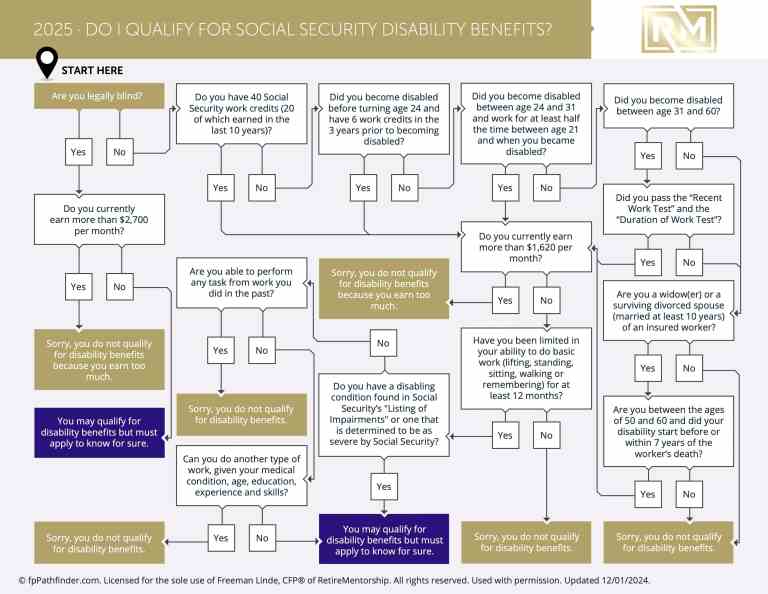
Can I Make A 529 To Roth Transfer? This flowchart will walk you through discovering your eligibility.
Many individuals ponder the possibility of transferring funds from a 529 plan to a Roth IRA. This question arises from the desire to enhance financial strategies and explore alternative avenues for saving and investing. In this blog post, we’ll delve into the concept of making a 529 to Roth transfer, examining the rules, considerations, and potential implications associated with such a move.
Understanding 529 Plans and Roth IRAs
529 plans are tax-advantaged accounts designed specifically for education savings. These plans allow contributions to grow tax-free, and withdrawals are also tax-free when used for qualified education expenses. On the other hand, Roth IRAs are retirement accounts that offer tax-free growth and tax-free withdrawals in retirement, provided certain conditions are met.
Can You Make a Transfer from a 529 Plan to a Roth IRA?
Unfortunately, transferring funds directly from a 529 plan to a Roth IRA is not permissible under current IRS rules. Each type of account serves a distinct purpose and is subject to specific regulations governing contributions, withdrawals, and tax treatment.
Alternatives to Consider
Although you can’t make direct transfers from a 529 plan to a Roth IRA, you can explore alternative strategies to achieve similar goals:
Withdrawals and Contributions: One option is to withdraw funds from a 529 plan for non-qualified expenses and then contribute those funds to a Roth IRA. However, it’s essential to consider the tax implications of such withdrawals, as they may be subject to income tax and a 10% penalty on earnings.
Change the Beneficiary: Another approach is to change the beneficiary of the 529 plan to yourself or a family member who may incur qualified education expenses in the future. If you don’t use the funds for education, you can withdraw them for non-qualified purposes. Additionally, you can potentially contribute them to a Roth IRA.
Use for Education Expenses: Of course, the primary purpose of a 529 plan is to save for education expenses. Before considering any alternative strategies, it’s crucial to evaluate whether using the funds for their intended purpose aligns with your financial goals and priorities.
Considerations and Potential Implications
Before pursuing any strategy involving a 529 plan or a Roth IRA, it’s essential to consider the following:
Tax Consequences: Any withdrawals from a 529 plan for non-qualified expenses may be subject to income tax and penalties. Similarly, contributions to a Roth IRA must meet eligibility requirements to qualify for tax-free treatment.
Financial Goals: Evaluate your long-term financial goals and priorities to determine the most suitable approach. Balancing college savings and retirement planning requires careful consideration and strategic decision-making.
Seeking guidance from a qualified financial advisor is highly recommended due to the complexities involved in tax-advantaged accounts and retirement planning. An advisor can provide personalized advice based on your individual circumstances and help you navigate the nuances of various savings and investment strategies.
Conclusion
Although individuals cannot make direct transfers from a 529 plan to a Roth IRA, they can explore alternative strategies. By understanding the rules, considerations, and potential implications associated with making a 529 to Roth transfer, individuals can make informed decisions to optimize their college savings and retirement planning efforts. As with any financial decision, consulting with a professional advisor is crucial. This will ensure that your chosen strategy aligns with your goals and objectives.
Want More? Become a RetireMember!
Get my book, 3D Retirement Income, for free, as well as access to live events, checklists and flowcharts, and wise counsel from one of the best minds in behavioral investing. Join today for free.
Need Help? Work with Me.
Schedule a Discovery Meeting with me through my Financial Planning firm, La Crosse Financial Planning. This no-cost, no-obligation conversation will determine what you are looking for and how we can help you retire successfully and stay successfully retired.
This article is educational only and is not intended to be investment, legal, or tax advice or recommendations, whether direct or incidental. Again, this is not investment advice. Consult your financial, tax, and legal professionals for specific advice related to your specific situation. Never take investment advice from someone who doesn’t know you and your specific situation. All opinions expressed in this article are those of the people expressing them. Any performance referenced is historical and is no guarantee of future results. All indices are unmanaged and may not be directly invested in.